A reverse diet means slowly adding calories back, after a fat-loss phase or after years of under-eating, until you reach maintenance, so you can eat more food and keep your results. If you're finishing a fat-loss phase, or you've been eating very little for a long time and you're tired and stuck, you probably need one.
It's the third phase of everything I coach in FitHer: Foundations, then Progress and fat loss, then Reverse and maintain. It's also the phase most diets skip completely, which is a big part of why so many women end up right back where they started.
Who actually needs a reverse diet?
Two kinds of women, mostly. The first just finished a fat-loss phase and wants to keep her results. The second has been dieting on and off for years, eats very little, trains hard, and the scale still won't move.
For the first woman, the reverse is the exit plan. If you go straight back to what you were eating before the diet, the weight WILL come back, no doubt. The habits that got you there have to keep going at a higher calorie number, and that takes practice.
For the second woman, the reverse comes BEFORE any fat loss. I won't build a deficit on top of an under-fed body. We get her eating enough first, protein first, and the energy, sleep and hunger usually start to improve before we ever talk about losing fat. Yes, that means eating more to eventually lose fat, and I know how that sounds.
How does a reverse diet work?
With my clients, we add about 75 to 100 calories at a time, every 1 to 2 weeks, until we reach maintenance. Your response decides the next bump, not the calendar.
We hold where you are until three things are true: you're consistently hitting the current number, you're no longer feeling stuffed and bloated, and your hunger is starting to come back. Then we go up again. For some women that's every week, and for others we sit at one number for a while, especially if eating that much still feels like a lot.
Protein stays the priority from start to finish, along with fiber, strength training, steps, and sleep. The foods don't have to change much. Truly nothing is off limits, and most of the added calories can come from foods you already like.
I did this myself after my own fat-loss phase, working my way back up to maintenance while still prioritizing protein and mostly minimally processed foods. These days I eat a 500 calorie breakfast most mornings without a second thought.
Will I gain weight on a reverse diet?
The scale may tick up a little at first, and that bump is mostly more food and water in your body, not fat. More food means more volume in your gut and more stored carbohydrate in your muscles, and carbs are stored with water.
A pound of fat takes roughly 3,500 extra calories, and for most of a reverse you're still eating at or below maintenance. That's why I never judge a reverse by one weigh-in. We look at your 7-day average, week over week.
The hard part for a lot of women is how it feels. I've coached reverse dieters whose calories climbed for weeks while their weight average held flat, and they still felt like it wasn't working. From a data standpoint, everything was going exactly how it should. We handle the feelings as their own conversation, because they're real, they just aren't a reason to cut food again.
I'd never before tracked macros while eating so much food. I lost 60 lbs in my first year postpartum and ran my fastest 5K!Jenna F., FitHer client
Is it okay to just eat at maintenance?
Yes. There is absolutely NOTHING wrong with maintenance. A maintenance phase is time spent eating the amount that holds your weight steady, on purpose, while you keep lifting, walking, and sleeping.
Maintenance is where women finally eat ENOUGH, get stronger, and stop thinking about food all day. You can still change your body composition there, and your body is a lot happier to build muscle when you're feeding it. It's also where we practice real life: dinner out, a vacation, the holidays, a week where work falls apart.
Diet breaks live here too, for mental recovery and for physical recovery. Some clients feel weird about a few weeks of the scale holding steady. It isn't weird at all, and a lot of women need more time here than they think, especially after years of on-and-off dieting.
How long should I stay in maintenance before dieting again?
Long enough that eating this way feels normal, and long enough that you're consistent with your calories, protein, steps, strength, sleep and recovery. Those are the prerequisites for a fat-loss phase, and there's no rush to get there.
When you do start another phase, it gets an end date before it begins. With clients, fat-loss phases run no more than about 12 to 16 weeks, with diet breaks in between, and then we reverse back up to maintenance again. If you're in the middle of a move, a new job, or a season where everything is falling on you at once, that's probably not the season to diet, and that's completely fine. Seasons for a reason.
Quick answers
How fast should I add calories on a reverse diet?
About 75 to 100 calories at a time, every 1 to 2 weeks, but your response decides the pace. We hold until you're hitting the current number consistently, you're not feeling stuffed, and your hunger is coming back.
How do I know what my maintenance calories are?
We start with an estimate and then adjust from your weekly averages. Maintenance is the intake where your weekly average weight holds steady while you're consistent, and it usually takes a few weeks of good data to find.
Can I lose fat while eating at maintenance?
Your body composition can still change at maintenance, especially if you're strength training and eating enough protein. The scale may not move much, so we watch measurements, photos and your lifts too.
Do I have to track my food during a reverse diet?
Most clients do, because a reverse is all about small, specific increases. Tracking is a tool we teach so you learn how to fuel your body, and the goal is always food freedom.
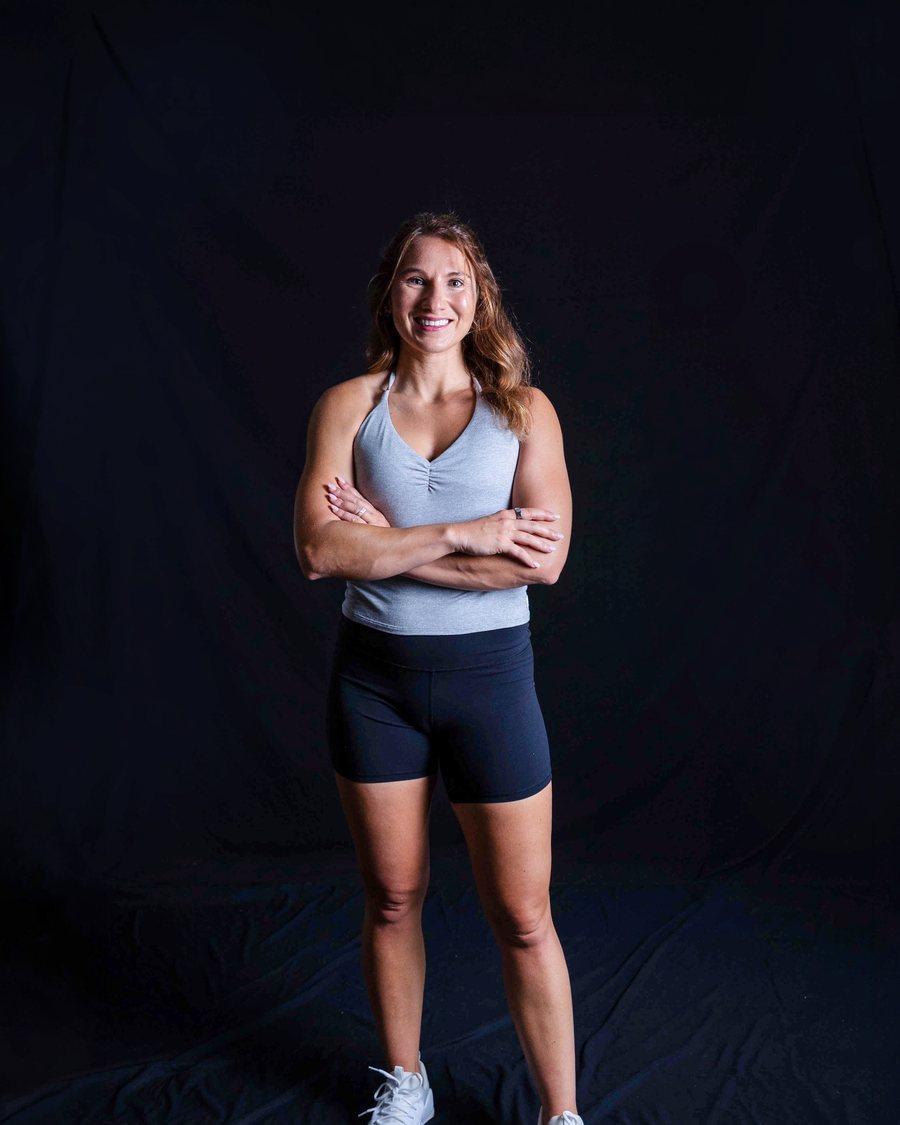
Written by Lindsay Clements
I'm the coach behind FitHer. I've coached 300+ women online over the last 5+ years, and I healed my own binge eating and postpartum metabolism issues before I ever coached anyone else.
Functional Nutrition and Metabolism Specialist · Certified Nutrition Coach · Certified Personal Trainer · M.S. in data analysis · U.S. Navy veteran (12+ years)
Want help doing this for your body?
FitHer is online coaching for women who are done dieting. Pick your level of support, or book a free call and we'll figure it out together.